CALSA’s Summer Institute is where innovators, educators, and intergenerational leaders come together to shape the future of public education. Grounded in the theme Somos el Puente entre Generaciones – We Are the Bridge Between Generations, the 2026 conference elevates the voices, practices, and partnerships that strengthen schools and communities across California.
In a first year as a district leader, one of the most powerful levers for change is what we choose to notice—and how we act on it. This session highlights how instructional walkthroughs can move beyond isolated observations to become a systemwide strategy for coherence, equity, and continuous improvement. Grounded in real examples from secondary school visits, participants will explore how to collect, synthesize, and act on classroom evidence in ways that honor site context while aligning toward a shared vision of high-quality Tier 1 instruction. Participants will learn how to shift walkthroughs from compliance-driven practices to a unifying structure that bridges classrooms, schools, and leadership teams—ensuring that what is seen in one classroom informs learning across the entire system.
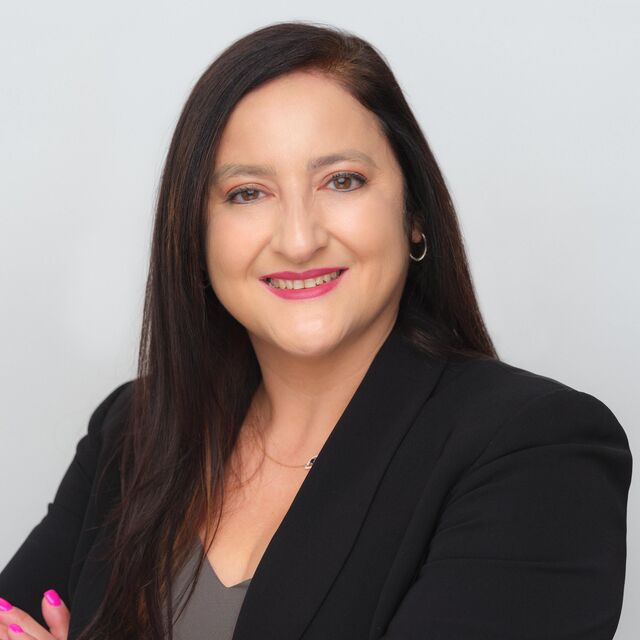
Administrator of Secondary Curriculum, Instruction and Career Readiness, Orange Unified School District
Dr. Mónica Luther is a passionate and results-oriented educational leader with over two decades of experience and deep expertise in secondary curriculum, instruction, and leadership development across content areas. She has a proven record of advancing equity, driving academic achievement... Read More →
Thursday June 25, 2026 9:00am - 10:00am PDT Live Oak 1
Disproportionate identification of multilingual learners in special education, particularly within the category of Specific Learning Disability (SLD), continues to challenge school systems striving to ensure equitable access and opportunity for all students. Although federal law requires multidisciplinary teams to rule out exclusionary factors such as limited English proficiency, lack of appropriate instruction, and environmental influences, these factors are not always consistently or systematically analyzed during the eligibility decision-making process. This session focuses on how educational leaders can strengthen district and site-level systems that support more equitable referral and evaluation practices. Participants will explore common systemic patterns that contribute to disproportionality, including inconsistent implementation of pre-referral intervention systems, limited documentation of instructional opportunities, and the absence of structured protocols for analyzing cultural, linguistic, and environmental context during evaluations. Grounded in research and leadership practice, this session introduces culturally responsive tools designed to help multidisciplinary teams systematically analyze contextual factors prior to determining eligibility. Participants will explore practical implementation resources for districts, including referral review protocols for administrators, eligibility meeting facilitation guides for psychologists, and structured reflection tools that support teams in examining instructional access, language development, and environmental influences. Through discussion and applied examples, participants will consider how leaders can align MTSS practices, evaluation procedures, and team decision-making processes to strengthen equity in assessment. Educational leaders will leave with practical strategies and tools to support multidisciplinary teams, improve referral and eligibility systems, and build structures that promote more equitable decision-making for multilingual learners and students from diverse backgrounds.
Thursday June 25, 2026 10:15am - 11:15am PDT Live Oak 1

This session explores how school systems can be intentionally designed to ensure that all students experience coherence, access, and belonging. In many districts, curriculum and instruction, special education, and student services operate in parallel, each addressing important aspects of the student experience but often without full alignment. This fragmentation can lead to inconsistent expectations, reactive supports, and gaps in how students experience school.
Participants will examine inclusion as a systems design challenge rather than a program or placement decision. The session centers on the idea that inclusion is created through the alignment of instruction, behavior systems, and student supports. When these elements are coordinated, students experience predictable expectations, consistent adult responses, and access to high-quality learning across settings.
Using Multi-Tiered Systems of Support (MTSS) as an organizing framework, the session highlights how academics, behavior, and wellness can be integrated into a unified system that supports both students and educators. Practical examples will illustrate how strengthening Tier 1 instruction, aligning practices across departments, and building leadership capacity can reduce fragmentation and improve outcomes.
Participants will engage in structured reflection to identify areas of misalignment within their own systems and consider actionable next steps. The session is designed for district and site leaders seeking to move from isolated initiatives to coherent, sustainable systems that better support diverse learners and the adults who serve them.
Director of Elementary Education, Morgan Hill Unified School District
Dr. Aguirre-Jacinto leads systemwide efforts to align curriculum, instruction, special education, and student services into a coherent approach that supports every student. She partners with district, site, and teacher leaders to strengthen Tier 1 instruction, integrate MTSS as a... Read More →
Thursday June 25, 2026 2:00pm - 3:00pm PDT Live Oak 1
The era of "punish and push out" is over. To meet the needs of today’s Latino students, schools must pivot from reactive exclusion to responsive restoration, positioning discipline as a vital component of wellness, academic identity, and student joy. This community schools approach is grounded in a healing-centered lens that moves beyond "managing behavior" to intentionally setting the conditions for radical belonging and psychological safety. By prioritizing "Other Means of Correction" and elevating student voice, we transform discipline from a bureaucratic hurdle into a powerful bridge for connection, ensuring schools are spaces where Latino students feel a deep sense of cultural pride and the fundamental right to thrive. Through the collaborative perspectives of board members, site principals, and district leaders, this session highlights lessons learned in interrupting bias and rebuilding trust with families historically impacted by exclusionary practices. You will leave with actionable strategies to implement a high-support, high-accountability model that honors the cultural assets of our community. This is a call to co-create systems where discipline is no longer something done to a student, but a process of growth and healing built with them.
Vanessa Fortney is an educational leader specializing in secondary education, with a strong commitment to advancing equity, inclusion, and opportunity for all scholars. She currently serves as Principal of Rancho Medanos Junior High in Pittsburg Unified School District, where she... Read More →
Anthony Molina has dedicated 28 years to serving the Pittsburg community in a variety of educational roles, rooted in a steadfast commitment to equity, restorative practices, and student success. A lifelong resident and proud product of Pittsburg Unified School District, Anthony... Read More →
Thursday June 25, 2026 3:15pm - 4:15pm PDT Live Oak 1